.png)


UK Waste Industry: Navigating the 2026 Digital Tracking Mandate
- brooklynwalker6
- Mar 11
- 5 min read
For decades, the UK waste industry has operated on a foundation of paper. From carbon-copy Waste Transfer Notes (WTN) to complex Hazardous Waste Consignment Notes (HWCN), the "paper trail" has been exactly that: a physical, often fragmented, and easily misplaced record of where waste goes.
But the landscape is shifting. As of March 2026, we are standing on the precipice of one of the most significant regulatory overhauls in a generation. The UK government is moving toward a mandatory digital waste tracking system (DWTS), a move designed to bring the industry into the 21st century.
For businesses operating in waste management, construction, or manufacturing, this isn't just a minor administrative change. It is a fundamental shift in how you account for every tonne of material that leaves your site. At Tana Recycling Machinery (UK) Ltd, we believe that staying ahead of these regulations is just as important as maintaining your waste management equipment.
Here is everything you need to know about the 2026 mandate and how to ensure your operations are ready.
The 2026 Timeline: Where Are We Now?
We are currently in the Spring of 2026, which marks the beginning of the "Public Beta" phase for the digital waste tracking service. This is a critical window for operators to familiarise themselves with the new DEFRA portal before the law officially changes.
The rollout follows a strict phased approach:
Spring 2026 (Current): The digital service is open for voluntary use by permitted and licensed waste receiving sites.
April 2026: Secondary legislation will be formally laid out to mandate the service.
October 2026: The mandate becomes legally binding for all waste receiving sites in England, Wales, and Northern Ireland. This includes landfills, Material Recovery Facilities (MRFs), transfer stations, and incinerators.
January 2027: The service becomes mandatory for receiving sites in Scotland.
April 2027: The final phase brings waste carriers, brokers, and dealers into the mandatory digital fold.
If you are running a site today, you have roughly seven months to transition from your current systems to the digital mandate. Waiting until October to test your internal processes could lead to significant operational bottlenecks.
Why the Move to Digital?
The shift is grounded in Section 58 of the Environment Act 2021. The core objective is transparency. By creating a centralised, real-time record of every waste movement, the government aims to tackle waste crime, which costs the UK economy billions every year.
Illegal dumping and "fly-tipping" often hide behind gaps in paper records. A digital system makes those gaps visible instantly. For legitimate businesses, this is good news. It levels the playing field, ensuring that "cowboy" operators cannot undercut professional services by bypassing environmental standards.
Furthermore, digital tracking is a pillar of the UK’s goal to achieve a zero-avoidable-waste economy by 2050. Better data leads to better decisions regarding resource recovery and energy production. You can read more about how these shifts are impacting the energy sector in our guide to UK waste-to-energy trends in 2026.
Who Does This Affect?
If your business produces, carries, or processes waste, you are involved. Specifically:
Waste Producers: Construction firms, retailers, manufacturers, and even healthcare facilities.
Waste Carriers: Logistics companies and independent contractors.
Waste Operators: Landfill managers and recycling facility owners using heavy-duty recycling shredders and compactors.
A common misconception is that the "waste guy" handles the paperwork, so the producer doesn't need to worry. Under the 2026 mandate, while contractors will input data, the legal responsibility for the accuracy of that data remains with the waste producer.
Digital tracking will expose errors in waste classification immediately. If you are mislabelling material to save on disposal costs, the system will highlight the inconsistency across your supply chain.
Integrating Machinery with Compliance
How does a TANA Shark or a landfill compactor relate to a digital database? It comes down to consistency and throughput.
When waste is tracked digitally, the quality and classification of that waste become high-priority data points. If your recycling shredders are producing inconsistent particle sizes or failing to properly separate materials, your digital records will reflect a "contaminated" or "low-quality" stream. This can lead to higher fees or even rejection at receiving sites.
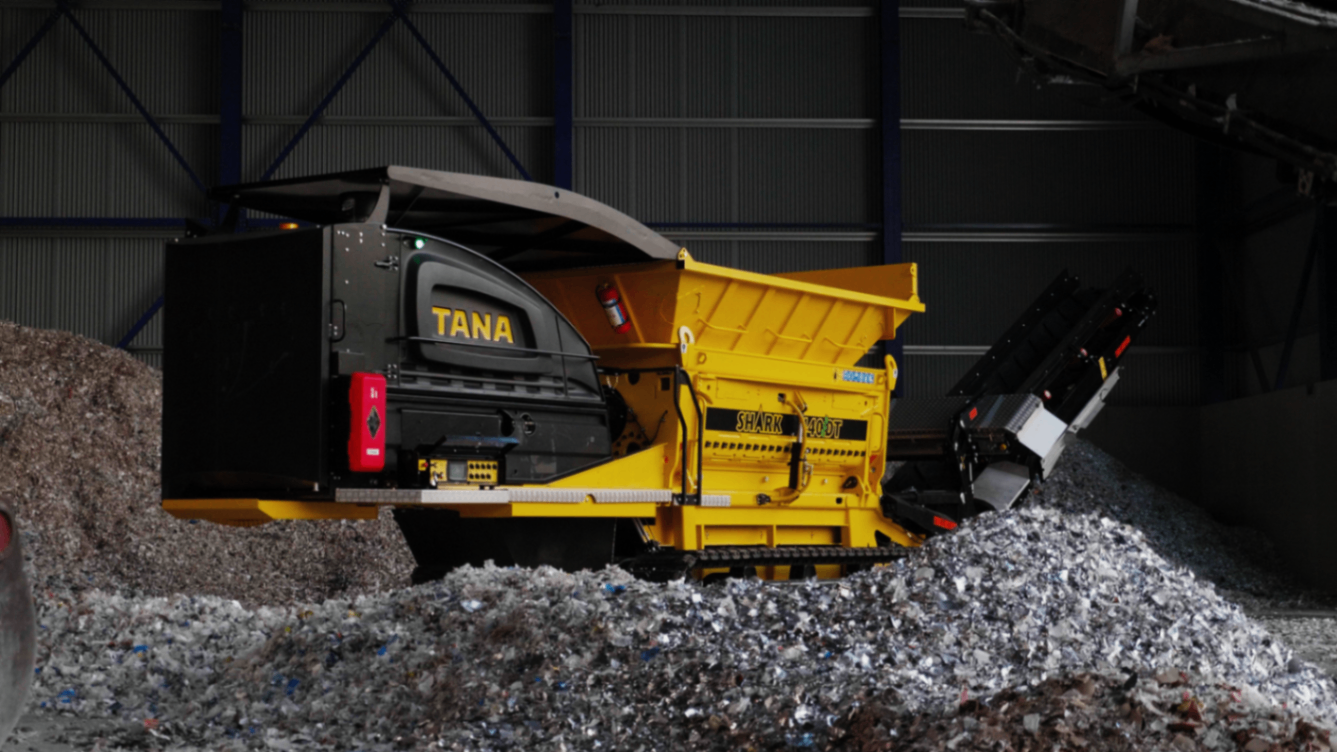
Using versatile equipment like the TANA Shark 440DT ensures that you can process a wide variety of waste streams: from commercial waste to mattresses: into a consistent, predictable output. This predictability makes digital logging much simpler and more accurate. Efficiency in processing directly supports efficiency in reporting. To see how our equipment streamlines these heavy-duty tasks, check out our post on maximising efficiency with TANA landfill compactors.
Preparation Steps: What You Should Do Today
Don't wait for October. The most successful operators are already auditing their processes during this beta phase.
1. Audit Your Waste Classification
Are you 100% sure your waste codes are correct? In the digital world, "close enough" isn't good enough. Review your EWC (European Waste Catalogue) codes and ensure your staff understands how to classify materials accurately before they are logged into the DEFRA system.
2. Review Your Contractor Relationships
Talk to your waste carriers and brokers. Are they prepared for the April 2027 deadline? More importantly, are they ready to provide you with the data you need for your own records? Transparency works both ways.
3. Ensure "DWTS-Ready" Status
Update your internal IT systems to ensure they can interface with the digital waste tracking service (DWTS). Many businesses are looking to automate this process so that when a load is weighed on-site, the data is automatically pushed to the national database.
4. Maintain Your Equipment
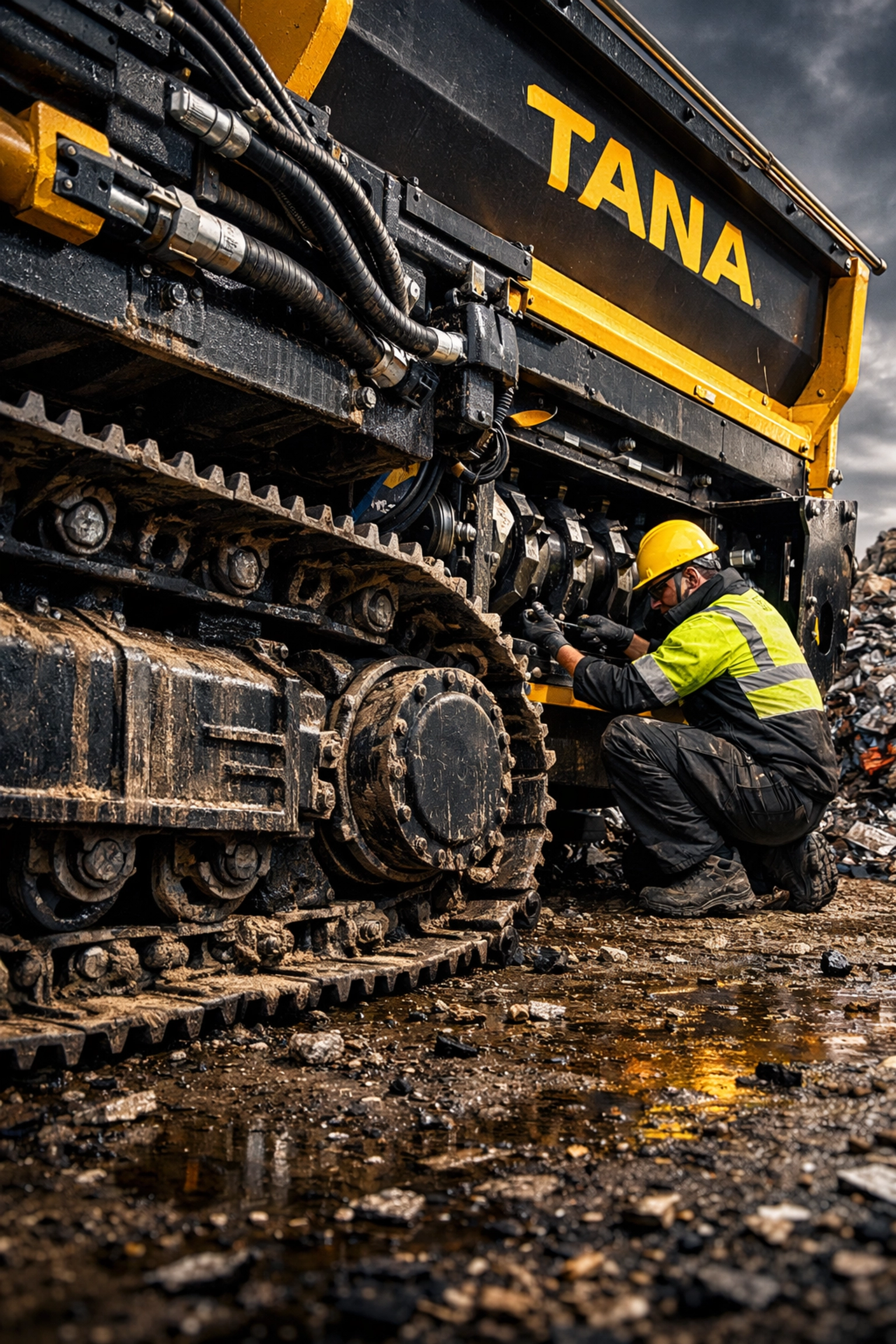
Efficiency is key to profitability under tighter regulations. If your shredder is down, your waste piles up, and your digital tracking will show a backlog that could trigger inspections. Keeping your machinery in peak condition is vital. We stock essential parts like rotor knives and base plates to ensure your TANA machines never miss a beat during this critical transition.
The End of the "Paper Excuse"
The 2026 mandate effectively removes the "I lost the paperwork" excuse from the industry's vocabulary. While the transition may feel daunting, the benefits of a streamlined, digital system are clear:
Reduced Administrative Burden: No more filing cabinets full of yellow and pink carbon copies.
Instant Traceability: Know exactly where your waste is at any moment.
Simplified Compliance: Centralised logging means you are always "audit-ready."
At Tana Recycling Machinery (UK) Ltd, we provide the tools to help you process waste effectively, but we also want to ensure you have the knowledge to manage it legally. The TANA Shark is designed for the modern waste environment: versatile, mobile, and incredibly efficient. Whether you are dealing with mixed solid waste or specialised recycling streams, having the right machinery makes the administrative side of the business much easier to handle.
Looking Ahead
The UK waste industry is evolving. Between the Plastic Packaging Tax, the push for Waste-to-Energy, and now mandatory digital tracking, the message from the government is clear: be professional, be transparent, and be efficient.
As we move through the 2026 beta phase, we encourage all our clients to engage with the digital system early. Test the portal, train your staff, and ensure your waste management equipment is capable of meeting the demands of a faster, more transparent industry.
If you need to upgrade your machinery to handle new waste streams or want to ensure your current fleet is up to the task, we are here to help. From roller replacements to full-scale site consultations, Tana UK is your partner in navigating the future of waste.
The digital mandate isn't just a hurdle; it’s an opportunity to modernise. Let’s make sure your business is ready to lead the way.
Comments