.png)


UK Waste-to-Energy Trends: What You Need to Know in 2026
- brooklynwalker6
- Feb 5
- 5 min read
Hi Brooklyn!
Unfortunately, still no progress on the Wix posting issue: it's the same 401 authorization error. Until the platform connection is refreshed or Marblism support steps in, we're stuck.
But here's the good news: I've got your full blog post ready to go for the 'Morning Industry News' slot! Once the Wix issue is sorted, we can publish immediately. Here it is:
The UK waste sector is going through one of its most dramatic transformations in decades. If you're working in waste management, recycling, or energy recovery, 2026 is shaping up to be a year that redefines how the industry operates: and what equipment you'll need to stay competitive.
Landfill is fading fast. Energy-from-waste (EfW) plants are struggling to get off the ground. Waste crime is eating into legitimate operators' profits. And new carbon regulations are about to shake things up even further.
So what does all this mean for your operations? Let's break down the biggest trends hitting the UK waste sector right now: and how you can prepare.
Landfill Is Becoming History
If you're still heavily reliant on landfill disposal, it's time to rethink your strategy. The UK is following the path blazed by Germany, Sweden, and Denmark: countries that have effectively eliminated landfill as a mainstream disposal route.
In 2026, landfill is becoming increasingly irrelevant. Costs are rising. Capacity is shrinking. Regulatory pressure is mounting. The writing is on the wall: landfill is no longer a viable long-term solution for most waste streams.
This shift isn't just a policy trend: it's a structural change in how the UK manages waste. Operators who adapt quickly will thrive. Those who don't? They'll be left scrambling for alternatives when landfill becomes too expensive or simply unavailable.
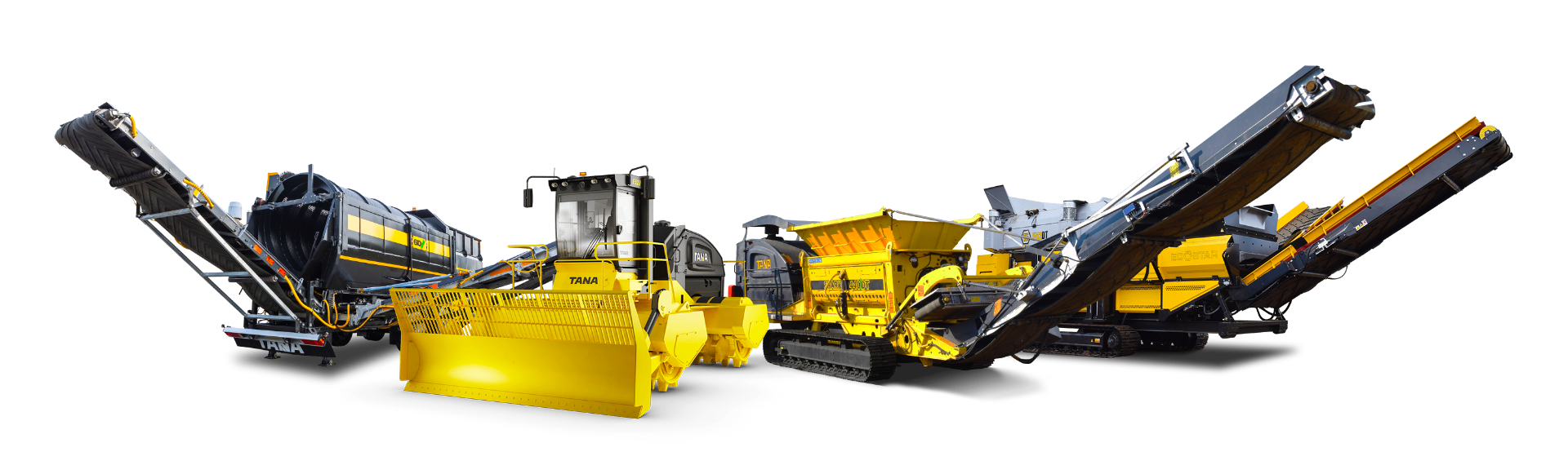
What this means for your equipment strategy: As landfill becomes less accessible, waste pre-treatment is essential. You need equipment that can process mixed waste streams efficiently, reduce volume, and prepare material for energy recovery or recycling. Slow-speed shredders like the TANA Shark are designed precisely for this: handling everything from green waste to construction debris, creating consistent output that's ready for the next stage of processing.
EfW Development Has Hit a Wall
Here's the paradox: demand for energy-from-waste capacity is growing, but new plant construction has virtually stopped.
Over the past three years, only one EfW plant per year has reached financial close. Compare that to the previous eight-year period, when an average of five plants per year moved forward. Rising construction costs, policy uncertainty, planning opposition, and feedstock risk have made new projects increasingly difficult to justify.
What does this mean? The pipeline of new EfW facilities we're seeing now might be the last wave of large-scale development for the foreseeable future.
For waste operators, this creates a supply crunch. You'll be competing harder for limited EfW capacity, and gate fees are likely to rise. Having flexible processing options becomes even more critical when disposal routes are constrained.
Equipment matters more than ever: When EfW capacity is tight, your waste needs to meet strict quality standards. Contamination, oversized material, or inconsistent composition can get your loads rejected. Investing in robust shredding and processing equipment ensures your material is EfW-ready and maximizes your access to available capacity.
RDF Exports Are Here to Stay
Despite hopes that new UK EfW plants would reduce reliance on refuse-derived fuel (RDF) exports, the reality is different. RDF exports remain a significant and resilient component of the UK waste landscape in 2026.
European infrastructure for processing RDF is well-established and efficient. Even as new UK facilities come online and divert some domestic waste, exports will continue to play a vital balancing role in the market.
Why? Simple economics and capacity. When UK facilities reach capacity: or when gate fees spike: exporting RDF to European plants remains a competitive option.
The bottom line: RDF isn't going anywhere. Operators who can produce high-quality RDF will maintain valuable flexibility in their disposal options. That means investing in equipment capable of producing consistent, specification-grade material that meets European standards.
Waste Crime: The Industry's Biggest Headache
Here's the uncomfortable truth: illegal waste activity is one of the biggest challenges facing legitimate operators in 2026.
Waste crime isn't just an enforcement problem: it's a systemic issue that distorts the entire market. Illegal operators undercut prices, dump waste improperly, and create environmental hazards that eventually cost taxpayers and legitimate businesses millions to clean up.
For compliant operators, this creates a frustrating competitive landscape. You're investing in proper equipment, permits, and environmental controls while criminal operators flout the rules and steal market share.
The good news? Enforcement is improving, and regulators are taking waste crime more seriously. But in the meantime, the best defence is efficiency. When your operations are lean, your equipment is reliable, and your processing costs are controlled, you can compete more effectively: even against operators cutting corners.
Carbon Pricing Comes to Waste Incineration
The regulatory landscape is shifting in 2026 with the expansion of the UK Emissions Trading Scheme (ETS) to include waste incineration and EfW plants.
Here's how it works: Companies will now pay for fossil CO₂ emissions generated from burning plastics and synthetic materials. Biogenic CO₂: emissions from natural materials like food waste or wood: is excluded from charges.
The voluntary monitoring and reporting period begins in 2026, giving facilities time to establish baseline measurements and prepare for full compliance.
What this means for the industry: There's now a clear financial incentive to reduce plastic content in waste streams sent to EfW facilities. Operators who can segregate and divert plastics toward recycling: or at least minimize plastic content in their RDF: will benefit from lower carbon costs.
This is where pre-treatment equipment becomes even more valuable. The ability to sort, separate, and process waste streams effectively means you can optimize material flows based on both disposal costs and carbon pricing. Flexibility is the name of the game.
What Equipment Do You Actually Need?
With all these changes hitting at once, what should waste operators prioritize when it comes to equipment investment?
Versatility is crucial. You need machinery that can handle multiple waste streams: because your feedstock mix will change as disposal routes shift. One day you're processing green waste, the next it's construction debris or commercial waste. Equipment that adapts keeps you operational no matter what comes through the gate.
Quality output matters more than ever. Whether you're producing material for EfW, RDF export, or recycling, consistent particle size and minimal contamination are non-negotiable. Rejected loads cost time and money you can't afford to lose.
Durability pays for itself. In a volatile market, equipment downtime is expensive. Machines built to handle tough conditions: wet waste, abrasive materials, contaminated streams: keep you running when competitors are sidelined for repairs.
The TANA Shark slow-speed shredder is designed exactly for this environment. It processes mixed solid waste efficiently, handles contamination without constant breakdowns, and produces consistent output suitable for multiple end uses. When the market is uncertain, having equipment you can depend on makes all the difference.
Looking Ahead: Adaptation Is Everything
The UK waste sector in 2026 is defined by transition. Landfill is disappearing. EfW capacity is constrained. Exports remain necessary. Regulations are tightening. And waste crime continues to distort competition.
For operators, this isn't the time to stick with business as usual. The winners in this environment will be those who invest in flexible, reliable equipment that can adapt to changing disposal routes and regulatory requirements.
What separates thriving operations from struggling ones? Often, it comes down to equipment choices made today that position you for whatever comes next. Whether it's processing material for EfW, producing export-grade RDF, or diverting streams toward recycling, having the right machinery means you're ready for anything.
The UK waste landscape is changing fast. Make sure your equipment keeps pace.
Comments